Dr. Edma Ajanović has an MSCA postdoctoral fellowship at the University of Ljubljana and has been working on the project “Anti-democratic/anti-gender nexus in Bosnia and Herzegovina” since October 2024.
Anti-democratic/anti-gender nexus in Bosnia and Herzegovina
Anti-democratic/anti-gender nexus in Bosnia and Herzegovina
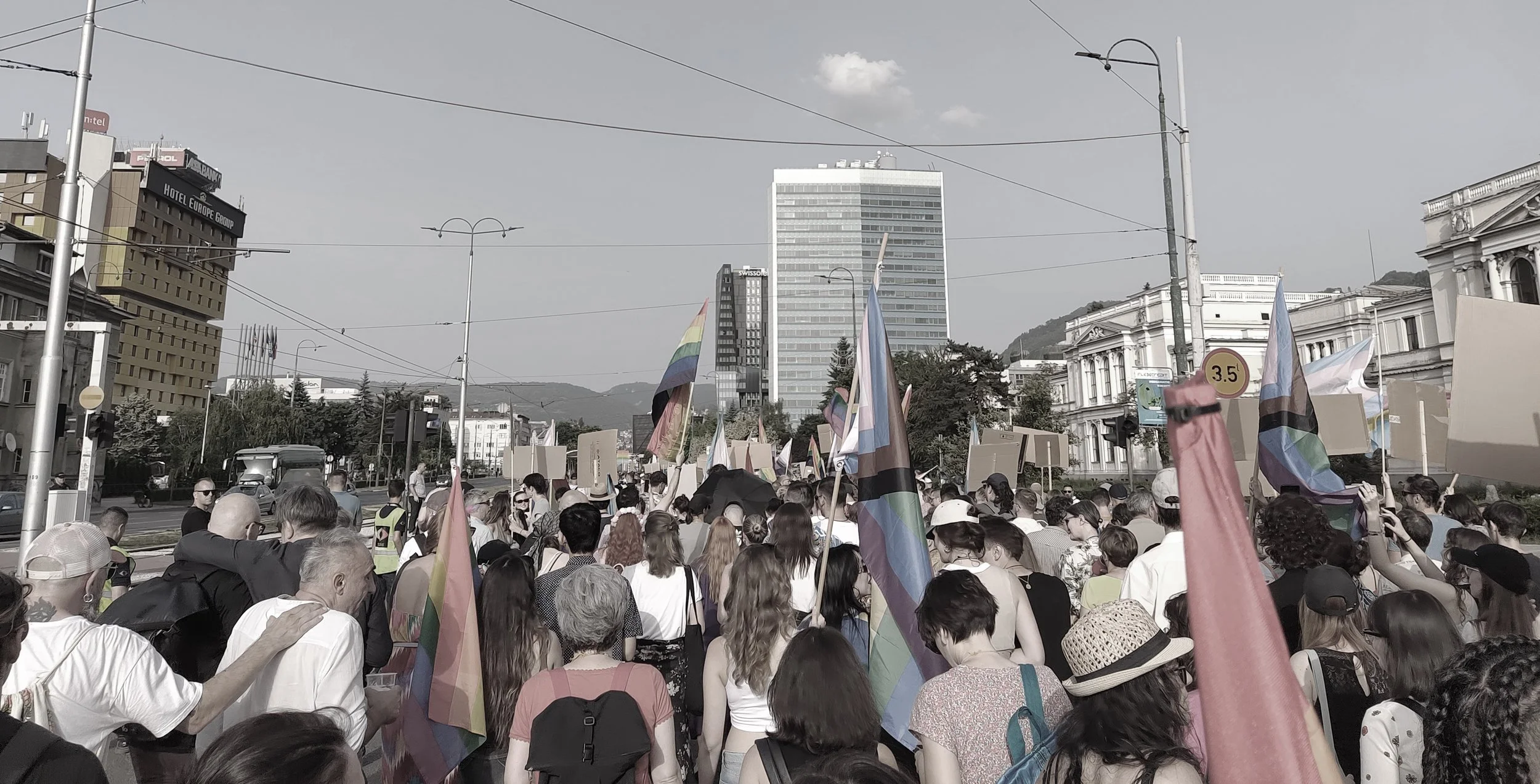
Europe is facing a growing crisis, marked by a worrying rise in anti-democratic rhetoric and politics. This trend is closely linked to increasing opposition to the rights of women and LGBTIQ+ persons, and is also evident in Bosnia and Herzegovina. Supported by the Marie Skłodowska-Curie Actions programme, the EU-funded AntiGenderInBiH project examines the complex dynamics of gender and sexuality governance and anti-gender mobilisation in Bosnia and Herzegovina. The project has two interrelated research objectives. First, it seeks to empirically analyse the so-called anti-democratic/anti-gender nexus at the national and entity levels. Second, it aims to develop new theoretical explanations, clarifying the connection between anti-gender and anti-democratic discourses and politics.
Project Details

“Political scientists have identified that the recent rise in anti-democratic discourse and politics in Europe has been linked to increased opposition to women’s and LGBTIQ+ rights. I call this connection the ‘anti-democratic/anti-gender nexus’ and argue that we need to explain the exact nature of this link to understand the rise and to develop strategies to address de-democratisation processes.”

Dr. Edma Ajanović is a political scientist specialising in gender-focused analyses of right-wing populism and anti-gender mobilisations. Her current work examines how the latter are linked to de-democratisation processes. She has participated in interdisciplinary research projects and contributes to academic teaching and public discourse on gender and democracy.
Approach
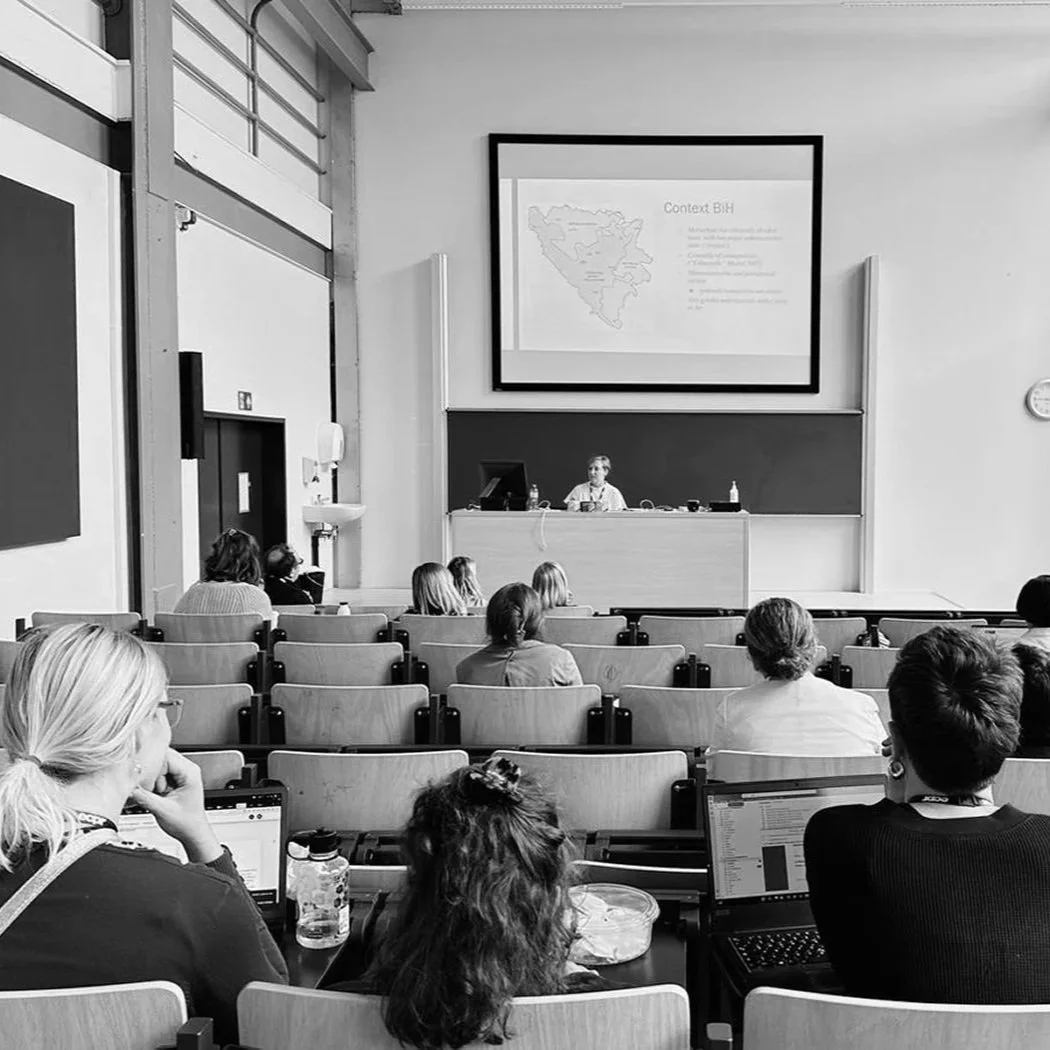
The project relies on qualitative content analysis and critical frame analysis. Its empirical results will be based on interviews with academics, activists, representatives of NGOs, and politicians focusing on gender and LGBTIQ+ issues in Bosnia and Herzegovina, as well as analysis of media articles, relevant policy and legislative documents, and parliamentary debates on these topics. The project results will be discussed in open access publications. Furthermore, it aims to bring together scholars and activists from the region and beyond in planned workshops in Ljubljana and Sarajevo, to exchange results and strategies to counter anti-gender mobilisation in Bosnia and Herzegovina.